
Stop presenting data, start engineering discovery: Lessons from Evidence Life Science’s Med Affairs Transformation Congress
Written by Scott Collins
Business Development Director
Business Development Director
Anyone who knows me will know I like to talk. I’ll talk until the cows come home! But here’s a confession: I’m really not a fan of public speaking. I feel awkward holding a mic. I don’t do well with the strict constraints of time. And while I much prefer talking off-the-cuff, I usually feel like I have to script a talk just to ensure I stay on track!
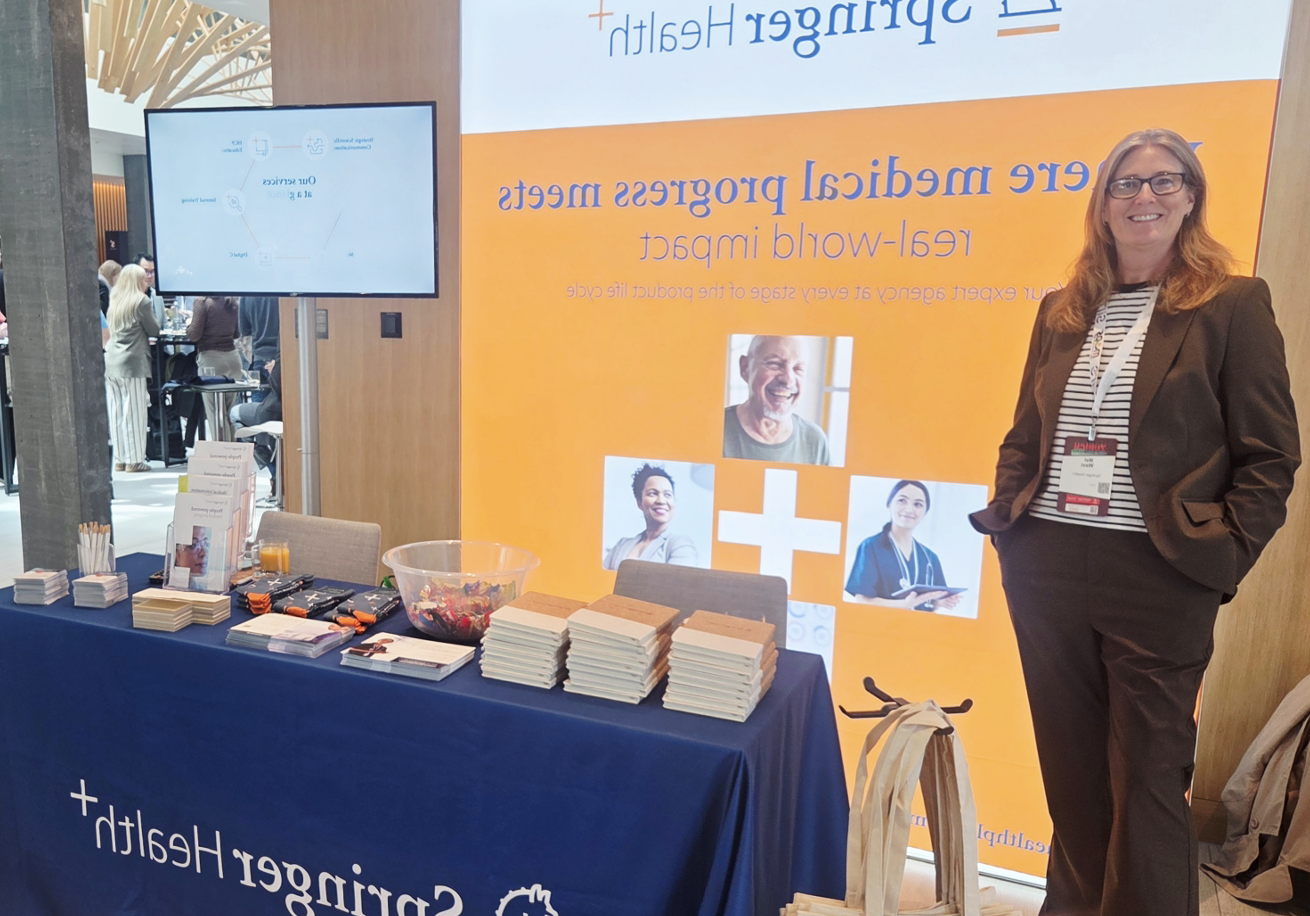
But I’m always happy to try. I’m happy to step outside of my comfort zone when it means talking about something I’m passionate about. To that end, last week I was asked to speak at the Evidence Life Science's Med Affairs Transformation Congress in London.
The day was packed with some really insightful perspectives from across the industry, including Vlado Kopernicky's (Eli Lilly) session on how the Medical Affairs function needs to evolve to truly unlock value, and Daniel Vega Møller (Novo Nordisk), who gave a talk on shifting the function from a ‘supporter’ role to a proactive partner.
There were also some really sharp takes on the ‘how’. Mike Taylor PhD (Digital Science) broke down how to find the ‘signal in the static’ amidst a fragmented communication landscape, and Ana Beatriz Perez do Amaral (Merck) shared some invaluable lessons on ensuring AI initiatives actually deliver real clinical impact rather than just hype.
Listening to these challenges around data volume, strategic evolution, and technology really reinforced what I wanted to say. It felt like the perfect lead-in to my session on 'The UX of Evidence’.
The problem: The ‘cognitive wall’
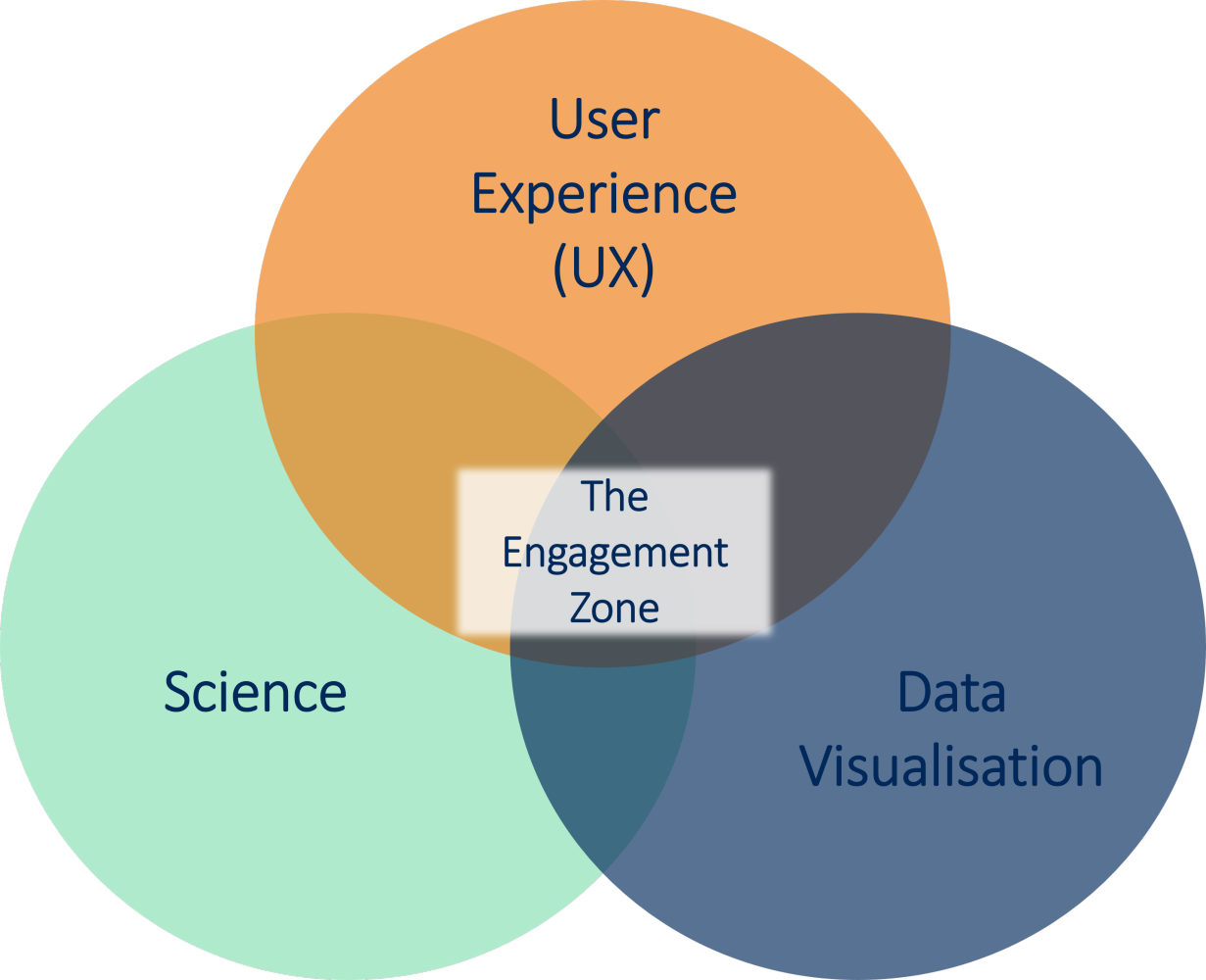
During the talk, I shared a concept that I think resonated with a lot of people in the room: the ‘cognitive wall’. In Medical Affairs, we have a wealth of incredible, potentially life-changing clinical data. But there is a massive gap between the rigour of that science and the experience of the person consuming it.
When we present data as a static, dense wall of numbers, text, and complex, cluttered charts, we force the brain into ‘decoding’ mode. We exhaust the HCP’s working memory before we even get to the clinical discussion.
The solution: Engineering 'aha!' moments
The core of my message was simple: Stop presenting data and start engineering discovery. We shouldn’t be asking our field teams to be ‘passengers’ in a linear slide deck. Instead, we should give them interactive environments, where the HCP's clinical curiosity drives the direction of the evidence.
We looked at a real-world example using a trial publication. By moving away from static tables and using functional animation, we help the brain track changes in data. In reality, Medical Science Liaison (MSL) discussions are deeply reactive. When an HCP asks a specific 'What about my patient?' question, the MSL needs to be able to respond without interrupting the flow of the conversation.
Because the data is modular and the UX is intuitive, the MSL can pivot the evidence in real-time to address that specific inquiry. This means that the science remains the focus, as the technology easily facilitates the communication of key data and insights.
The result: Organic insight
This approach also helps us solve the ‘black box’ (the lack of visibility) of engagement. Normally, once an MSL leaves a room or the HCP finishes using an interactive screen at a congress, we only know the interaction happened, but we don't know what truly resonated. By tracking these interactive pathways, we gain organic insight.
If specialists are consistently diving into specific high-risk subgroup data, we’re no longer guessing their interests, we’re seeing their clinical priorities in real-time, allowing us to be agile and responsive with our global strategy.
The future: Scientific consistency at scale
Finally, we discussed the ‘how’—the CORE methodology:
Create Once, Reuse Everywhere.
By making scientific content modular, we ensure the same high-fidelity experience is deployable across the entire ecosystem, from congress screens to MSL tablets and self-led digital hubs, and even in Medical Information responses (SRDs/GRDs).
The reflection
Walking back to my seat, I still felt that typical post-presentation awkwardness. But after chatting with a few attendees who said they found the topic really interesting, and seeing a LinkedIn message the next morning from another stating the talk was ‘invaluable’, I was reminded why stepping out of that bubble matters. Because when we bridge the gap between scientific rigour and intuitive user experience, we don’t just show data—we create the clarity that leads to better clinical decisions.
Interested in finding out more? Contact Scott directly for a demo of how scientific exchange is improving, at